

Stair-step cracks in basement walls are a common foundation issue homeowners notice in Davenport, Bettendorf, and throughout the Quad Cities. These cracks typically appear along the mortar joints of block or brick foundation walls and often follow a step-like pattern.
While small cracks can sometimes occur from normal settling, stair-step cracks may also indicate movement in the foundation caused by soil pressure, moisture changes, or settlement. Understanding what causes these cracks and when they require repair can help homeowners prevent more serious structural problems.
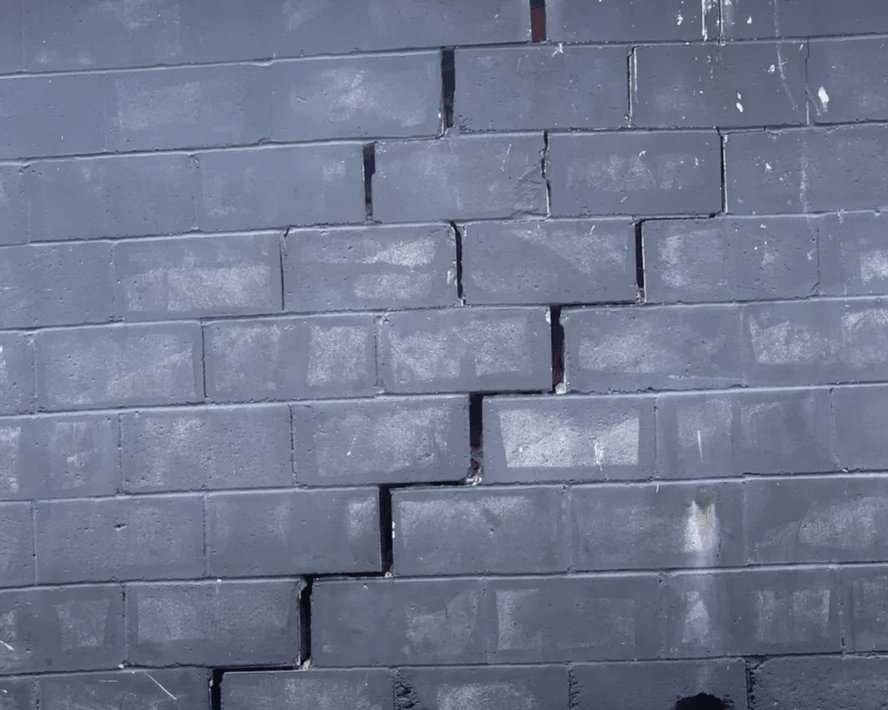
Stair-step cracks usually develop when a foundation experiences movement or uneven pressure from the surrounding soil.
Common causes include:
• foundation settlement
• expanding clay soil around the home
• hydrostatic pressure from saturated soil
• freeze and thaw cycles during winter
• poor drainage around the foundation
As the soil expands and contracts over time, the foundation can shift slightly, causing cracks to form along the weakest points in the mortar joints.
Signs the Crack May Be Structural
Not all stair-step cracks indicate serious structural problems, but certain signs suggest the foundation should be inspected.
Warning signs include:
• cracks that continue growing longer or wider
• basement walls beginning to lean inward
• water entering through the crack
• gaps forming where the wall meets the floor or ceiling
• multiple cracks appearing along the same wall
If these symptoms are present, the foundation may be experiencing movement that requires structural repair.
Why Stair-Step Cracks Should Be Evaluated
Foundation cracks often begin small but can expand over time if the underlying cause is not corrected.
When soil pressure, settlement, or drainage problems continue affecting the foundation, cracks may widen and allow water intrusion into the basement. In some cases, structural reinforcement may be needed to stabilize the wall and prevent further movement.
Addressing foundation issues early can help homeowners avoid more extensive repairs later.
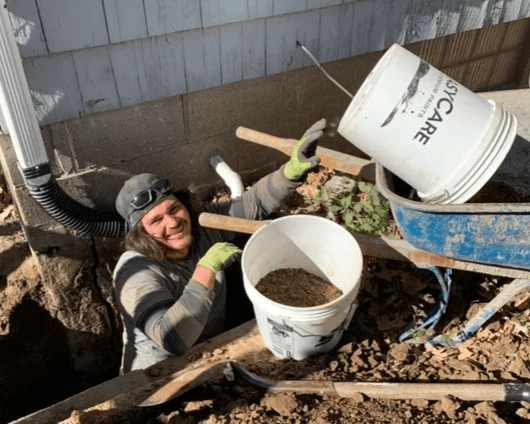
Repair methods depend on the cause and severity of the crack.
Possible solutions include:
Foundation crack repair
Sealing the crack can help prevent water intrusion when structural movement is minimal.
Structural reinforcement
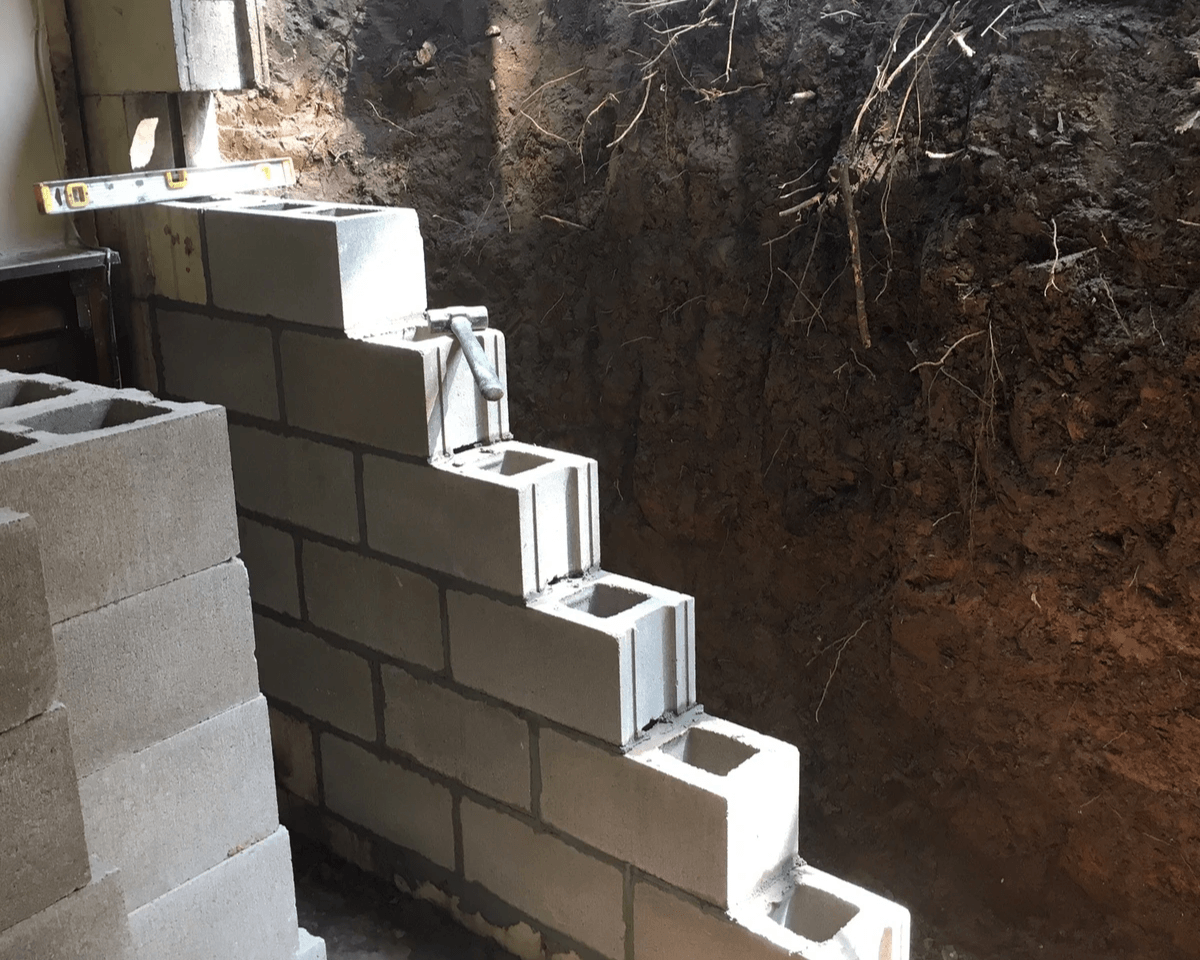
Steel support beams or reinforcement systems may be installed if the wall is experiencing pressure or movement.
Drainage improvements
Correcting exterior drainage problems can reduce pressure on basement walls.
If you notice stair-step cracks forming in your basement walls, learn more about our Foundation Repair services and how these problems can be stabilized.
Stair-step cracks in basement walls are often caused by soil movement, foundation settlement, or pressure from saturated ground around the home. Homes in Davenport, Bettendorf, Moline, and across the Quad Cities frequently experience these conditions due to clay soil and seasonal moisture changes.
Identifying the cause of the crack early can help homeowners prevent further damage and maintain the structural stability of their foundation.
FAQ
Are stair-step cracks serious
Some stair-step cracks are minor, but growing cracks or cracks combined with wall movement should be inspected.
Can stair-step cracks cause basement leaks
Yes. Cracks can allow water to enter when soil around the foundation becomes saturated.
Do stair-step cracks mean the foundation is failing
Not always, but they may indicate settlement or pressure that should be evaluated.
How are stair-step cracks repaired
Repairs may include crack sealing, structural reinforcement, or drainage improvements depending on the cause.