
Foundation Repair Done Right, Not Oversold
We repair cracked foundations, bowing walls, settlement, and water intrusion with long-term solutions, backed by decades of Quad Cities experience. We diagnose the real problem and recommend only the repair your home actually needs.
From our jobsites
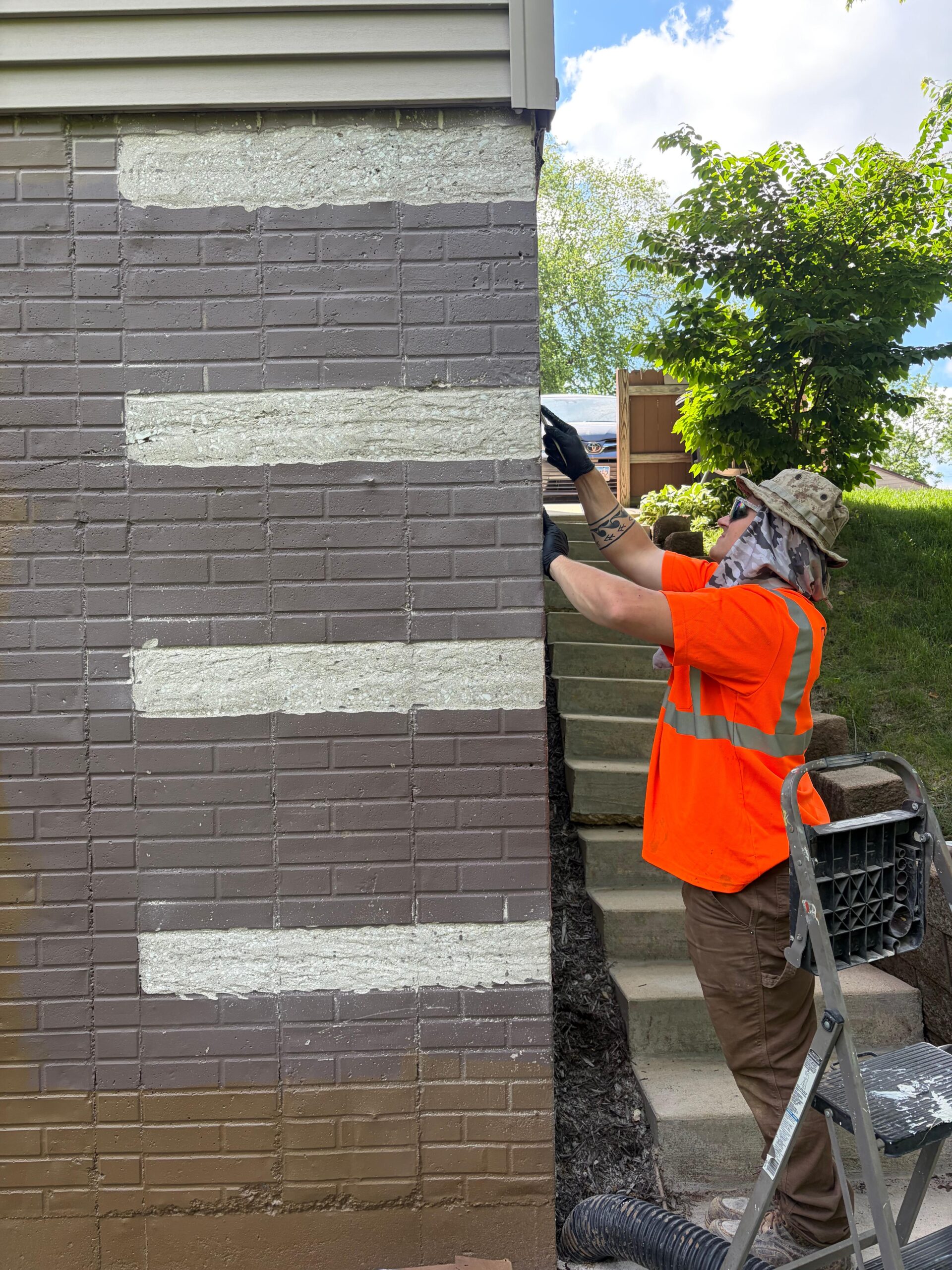
The same wall, during and after we sealed it right
A real Bettendorf foundation crack sealed from the outside — water stopped at the source, not just hidden behind paint. Every repair on this page starts the same way: with an honest diagnosis of what actually moved.
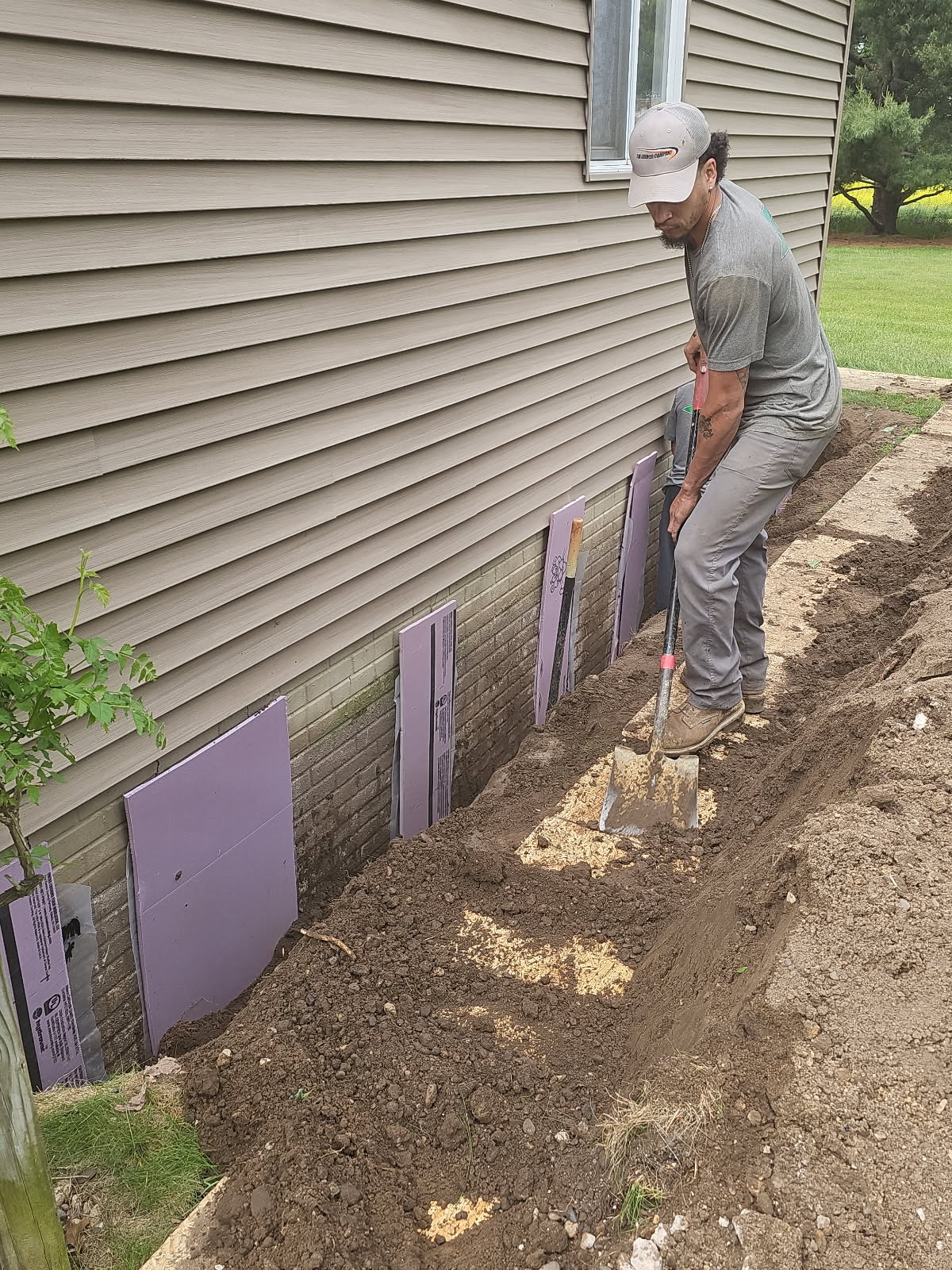 DURING
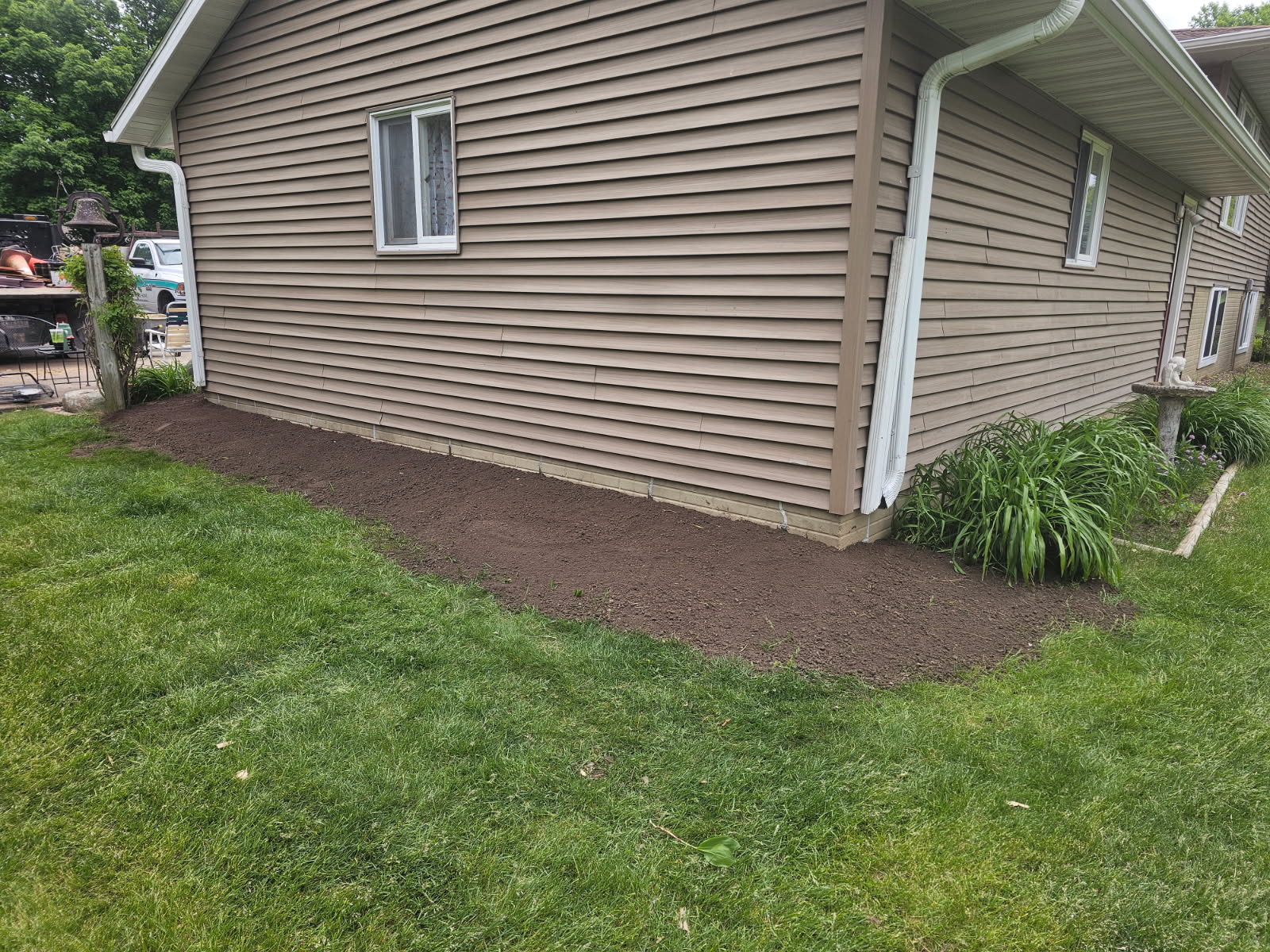 AFTER
AFTERThe repairs we actually recommend
Honest methods, honest cost ranges
Foundation repair in the Quad Cities typically runs $500 to $25,000+, depending on whether the issue is cracking, bowing, settling, or drainage. Most homes here see stress from clay soils, water pressure, and freeze-thaw. These are the methods we rely on in the field every day — with the numbers to match.
$500–$800 / beam
Steel I-Beam Reinforcement
Our most-used method for decades. Beams spaced every 4–6 feet brace bowing or failing basement walls and stop further inward movement — the most effective, reliable repair for a wide range of foundation problems in the Quad Cities.
$500–$2,500 / crack
Poured Crack Repair
Most vertical cracks are natural shrinkage and not structural, but cracks that leak, widen, or move need proper repair. We seal from the exterior to stop water before it enters the wall, using interior injection only when exterior access isn’t practical.
$700–$1,200 / strap
Carbon Fiber Reinforcement
Bonds directly to the wall to prevent further inward movement on walls with moderate, stable movement — best when the wall is still structurally sound, typically bowing under about 1½ inches. It stabilizes, but does not push the wall back into place.
$8,000–$25,000
Block Foundation Rebuilds
When walls have shifted, bowed, or deteriorated beyond what reinforcement can fix, we rebuild the affected section. Most common in older Davenport, Bettendorf, Moline, and Rock Island homes after decades of soil pressure, moisture, and freeze-thaw.
Based on more than 1,200 written inspections across the Quad Cities in the last ten years.
Independent engineering
Foundation Repair Methods Compared: An Independent Engineering Assessment
A licensed structural engineer, not affiliated with Behncke, weighed six ways to fix one badly bowed block wall, from full replacement to carbon fiber and wall anchors. Read the method-by-method findings →
Why our steel I-beams don't fail
Most crews bolt a steel I-beam to a bowing wall and call it finished. We do one extra step most won't: we tuckpoint behind every beam before it goes in. Filling the failing mortar joints first means the brace makes continuous contact with the wall from top to bottom — spreading the load evenly across the whole wall instead of pressing on a few high spots.
It takes longer. It's also why, in all our years of installing steel I-beam braces, we've never had one fail.
Honest recommendations
Repairs we don't typically recommend
There may be a time and place for each of these, but from what we've seen in the field, we're not impressed — and we won't sell you one to pad an invoice.
Wall Anchors
Too many failures. We’ve been called to fix anchor jobs that pulled or cracked the wall plate.
Helical Piers
Unnecessary and expensive for the vast majority of Quad Cities homes — rarely the right call for typical wall movement.
Crack Injections
Problematic and unsightly as a standalone fix — they often fail to stop water at the true source on the exterior.
Why Quad Cities foundations move
Clay soil, water pressure & freeze-thaw
Foundations here don't fail at random. Three forces — shaped by our soil, our river, and our winters — do the damage, and knowing which one is at work is half of recommending the right fix. That's why we diagnose before we prescribe.
Expansive clay soils
The clay that blankets eastern Iowa and western Illinois swells when wet and shrinks when dry, flexing foundation walls a little more each season until cracks, bowing, and settlement appear.
Water pressure against the wall
In some homes — not most — water saturates the soil against the foundation and pushes inward. Snowmelt, poor drainage, and a high water table near a creek or river are the usual drivers.
Freeze-thaw cycles
Quad Cities winters freeze and thaw saturated soil over and over. That repeated heave works on footings and walls for decades, opening the cracks we’re later called to repair.
Prevention costs far less than structural repair
Nearly all of the foundation damage we see traces back to water reaching the soil beside the house. Keeping it away is the cheapest repair you'll ever make.
Engineering Atlas · Foundation Keystone
Found a crack? Let's read it together.
You don't need to be an expert — just notice a few things. You observe; we interpret. We never ask a homeowner to diagnose their own repair. Pick the pattern that looks most like yours.
Shrinkage as the concrete cured.
Note it; have it looked at only if it widens over time.
Real Behncke projects
Recent projects from our crews
These foundation repairs are real Quad Cities jobsites — see how we diagnosed and fixed each one.
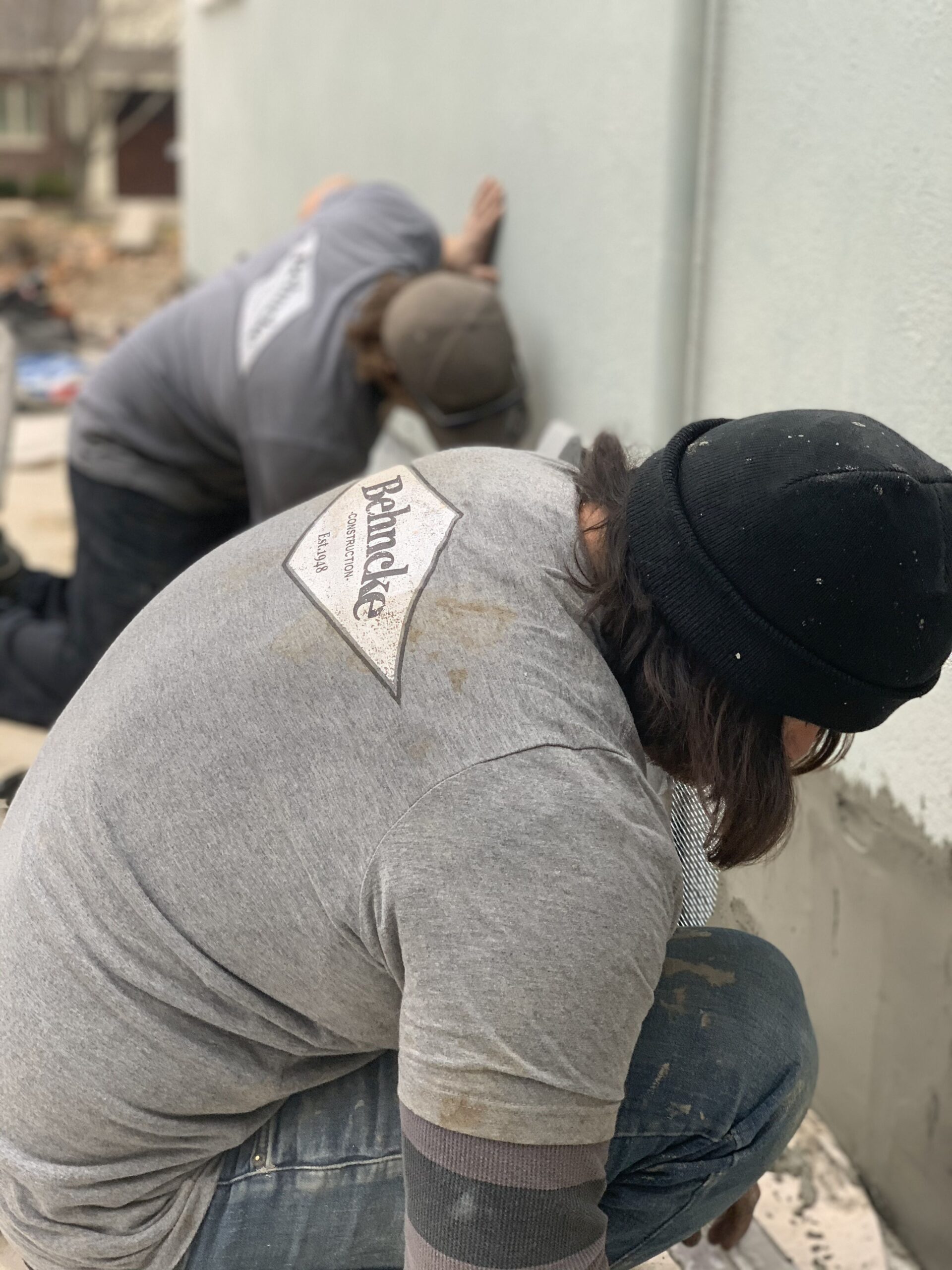
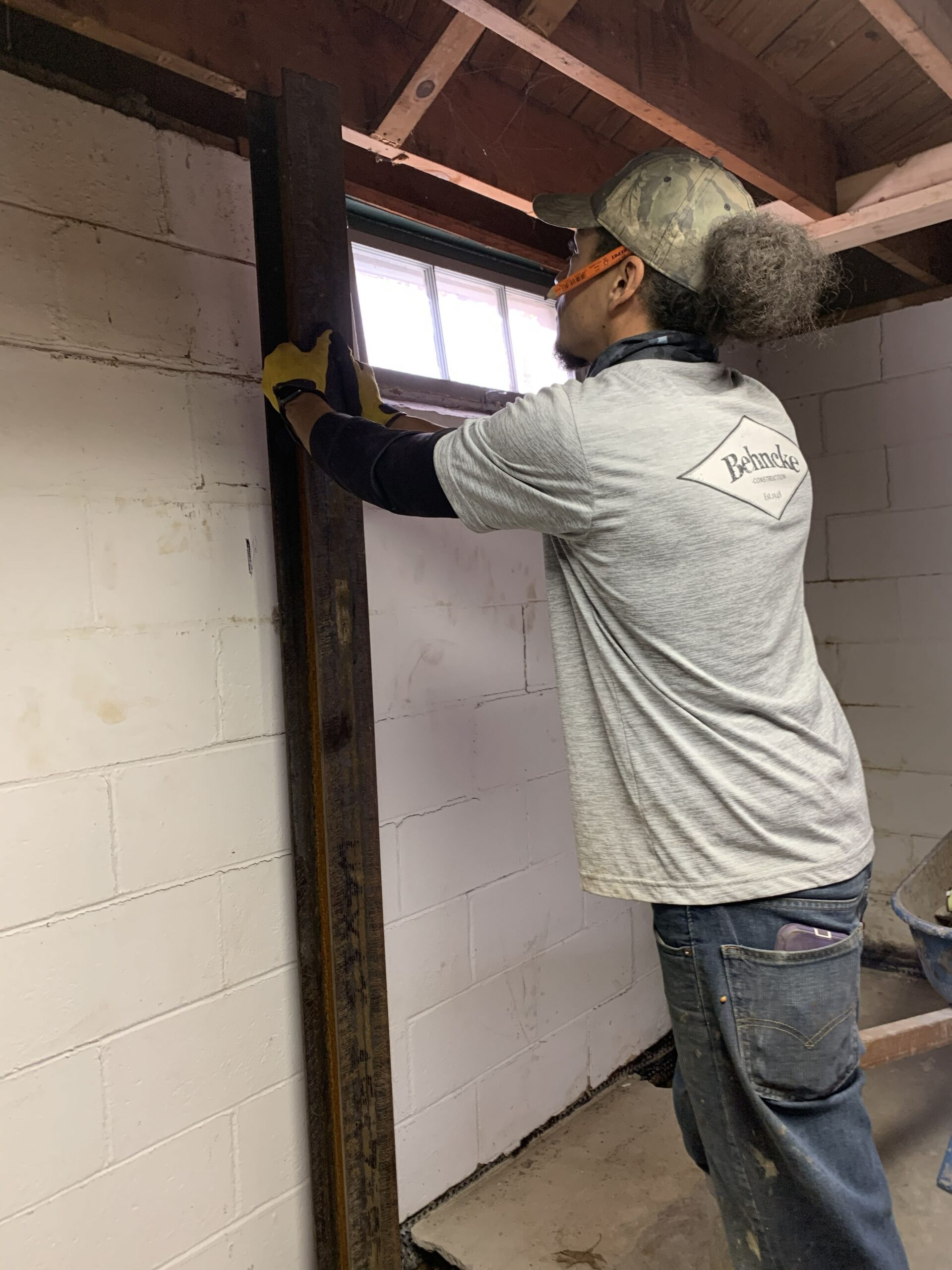
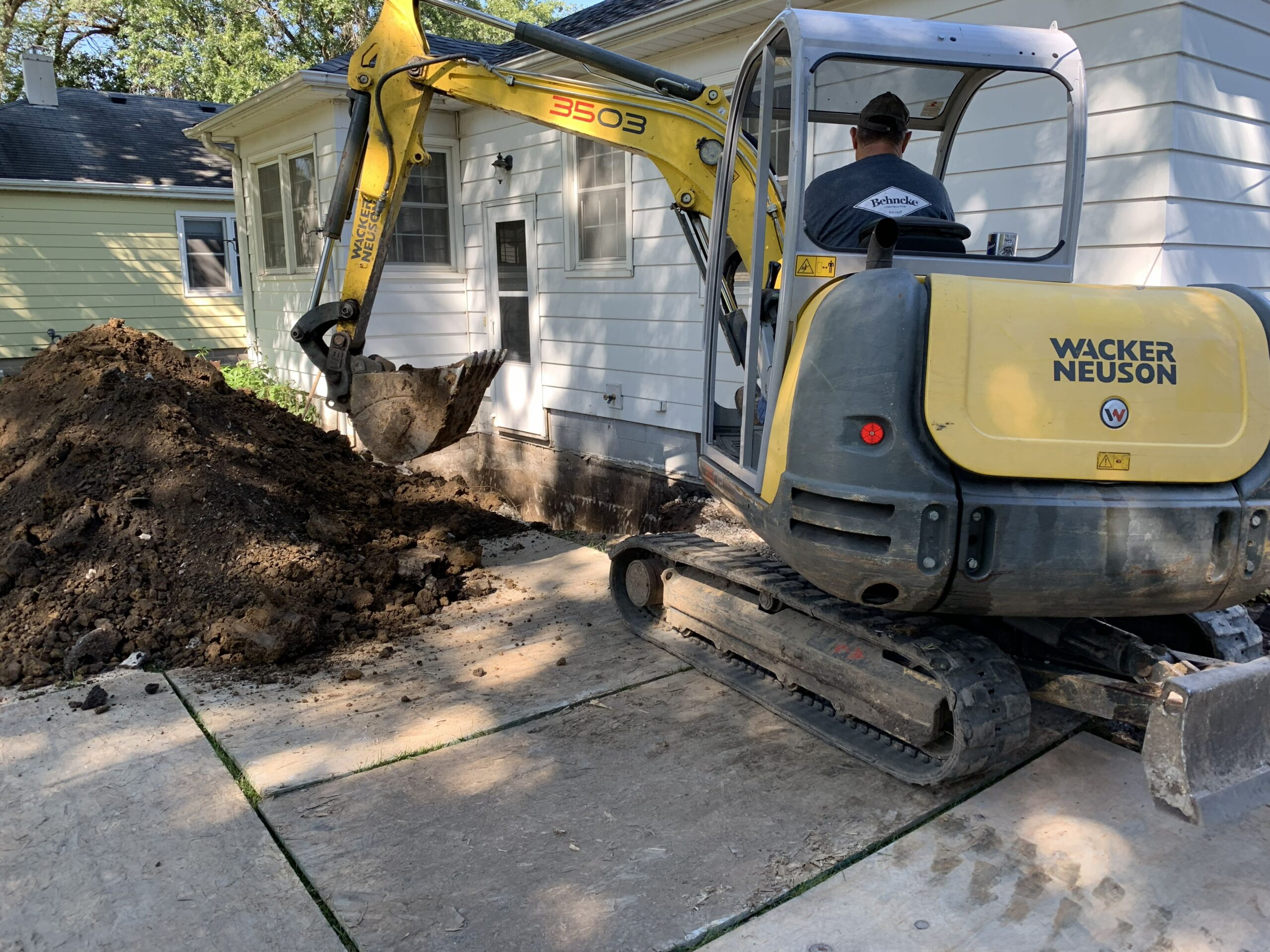
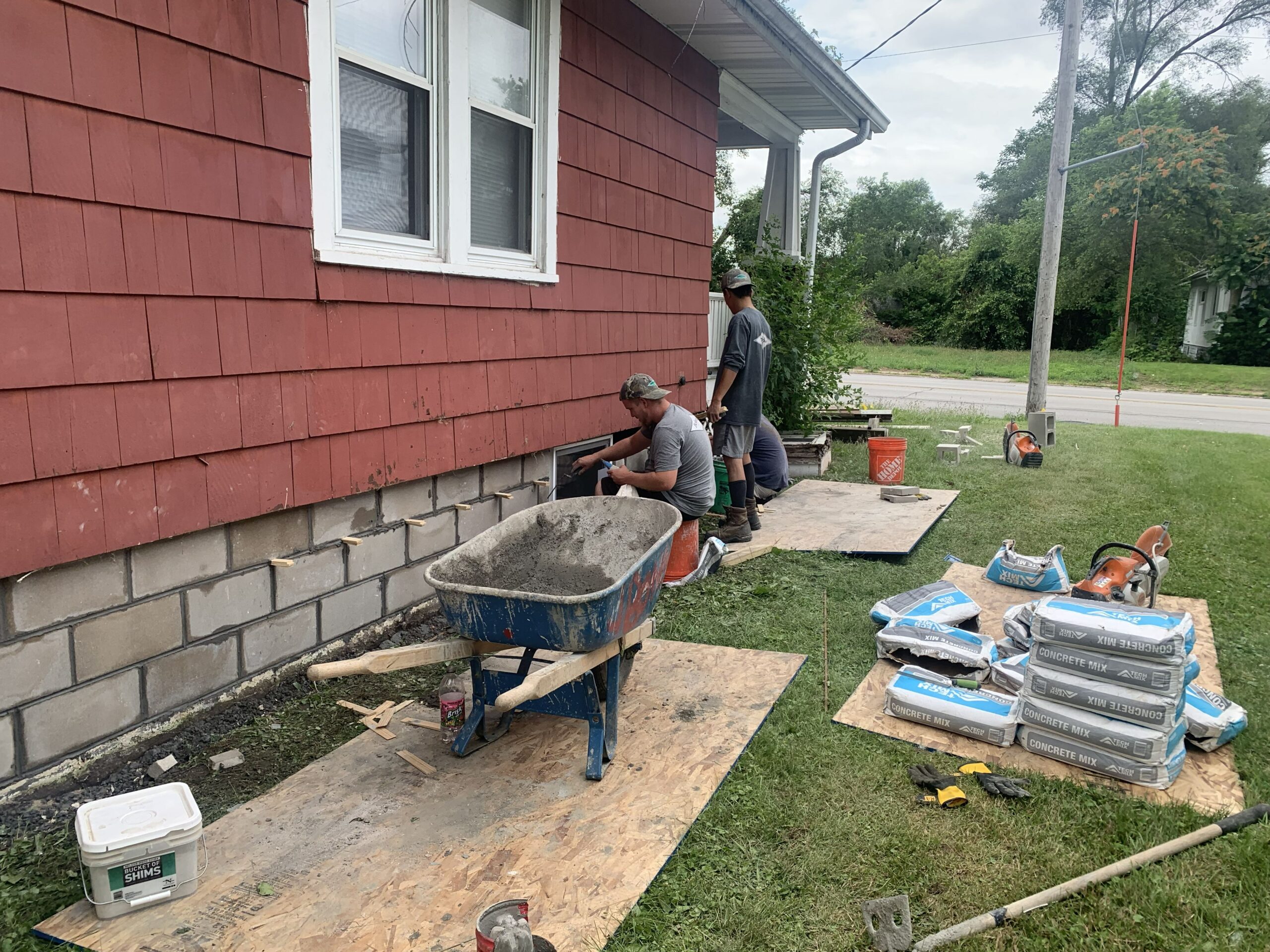
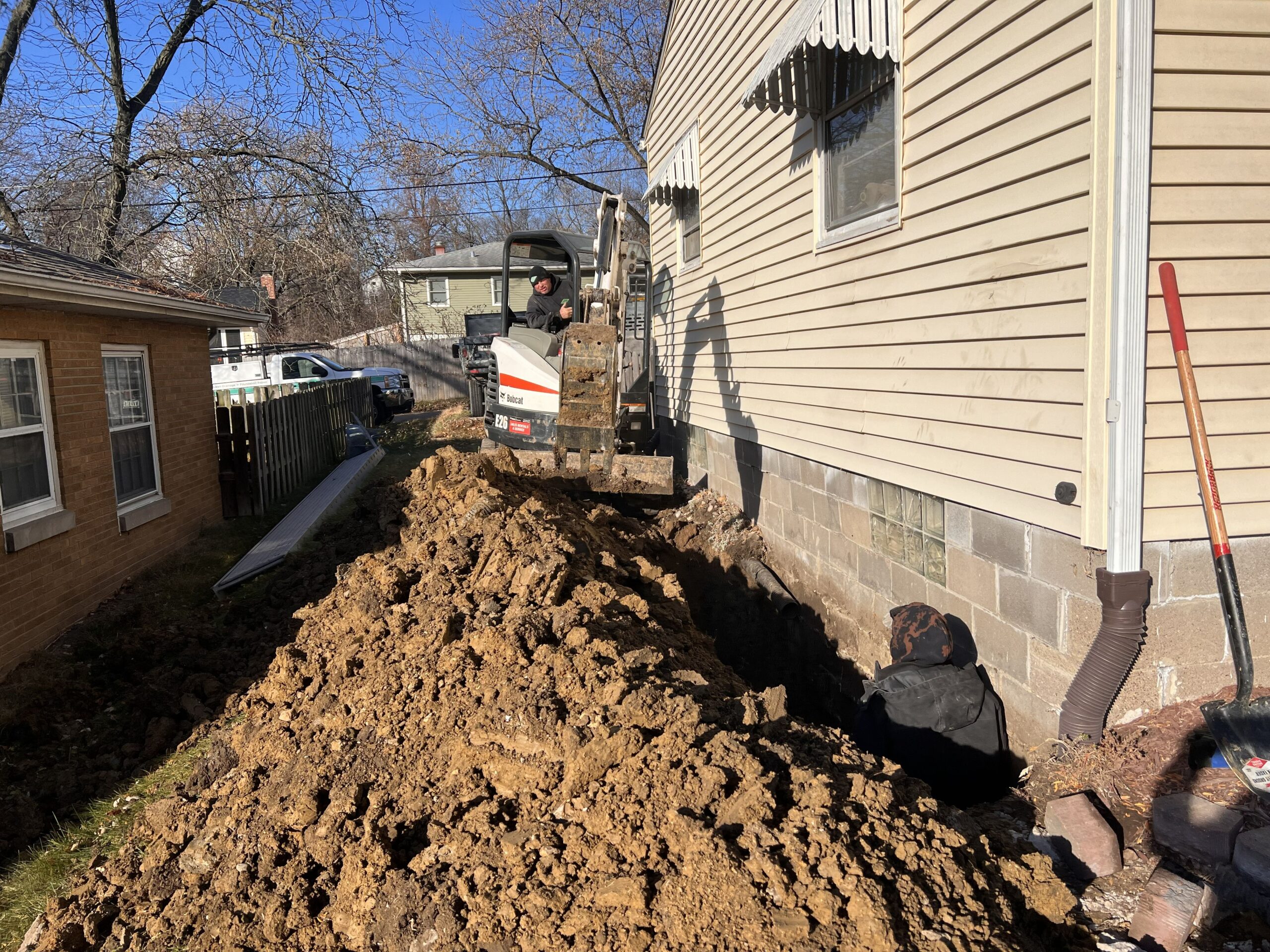
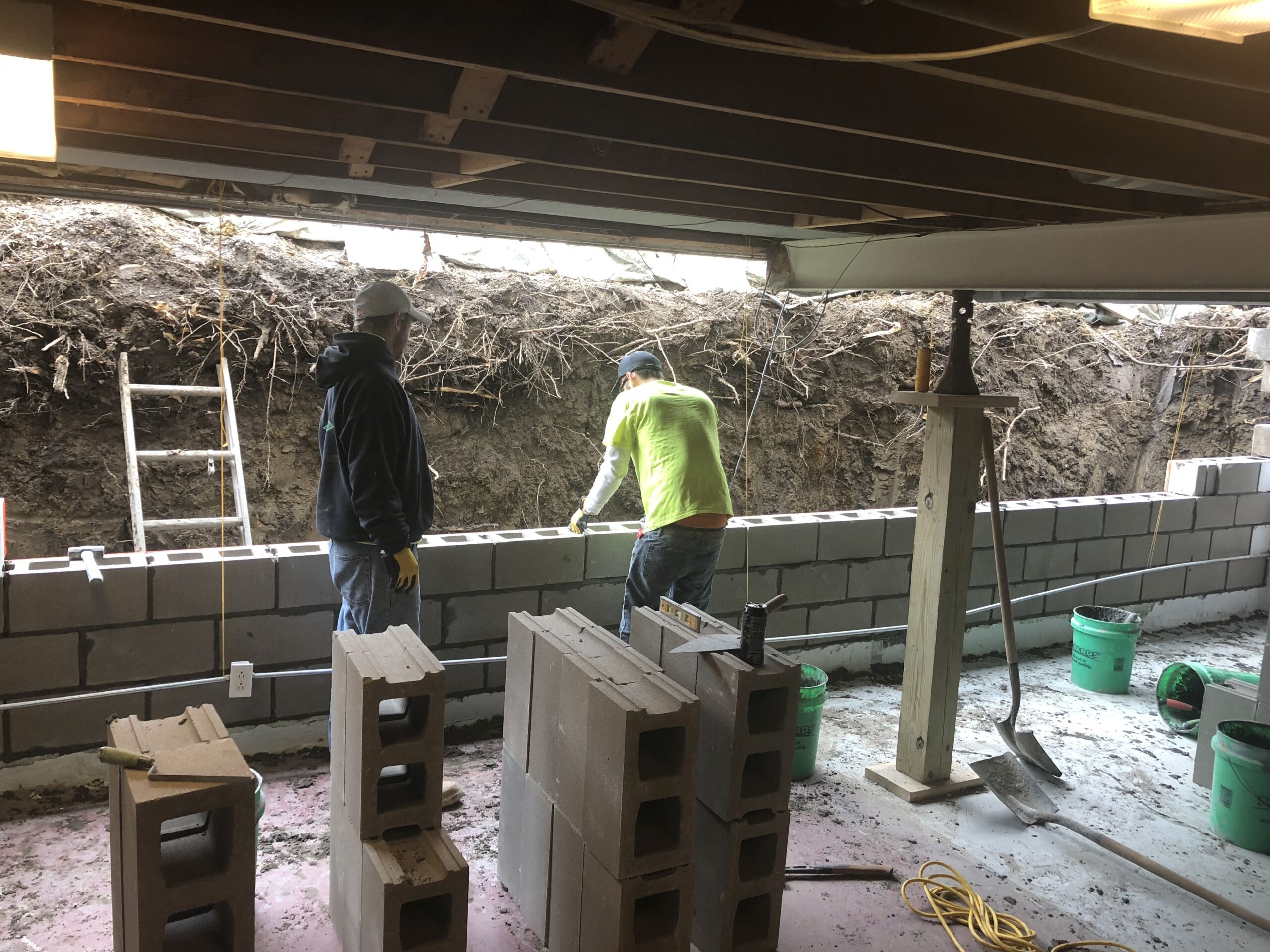
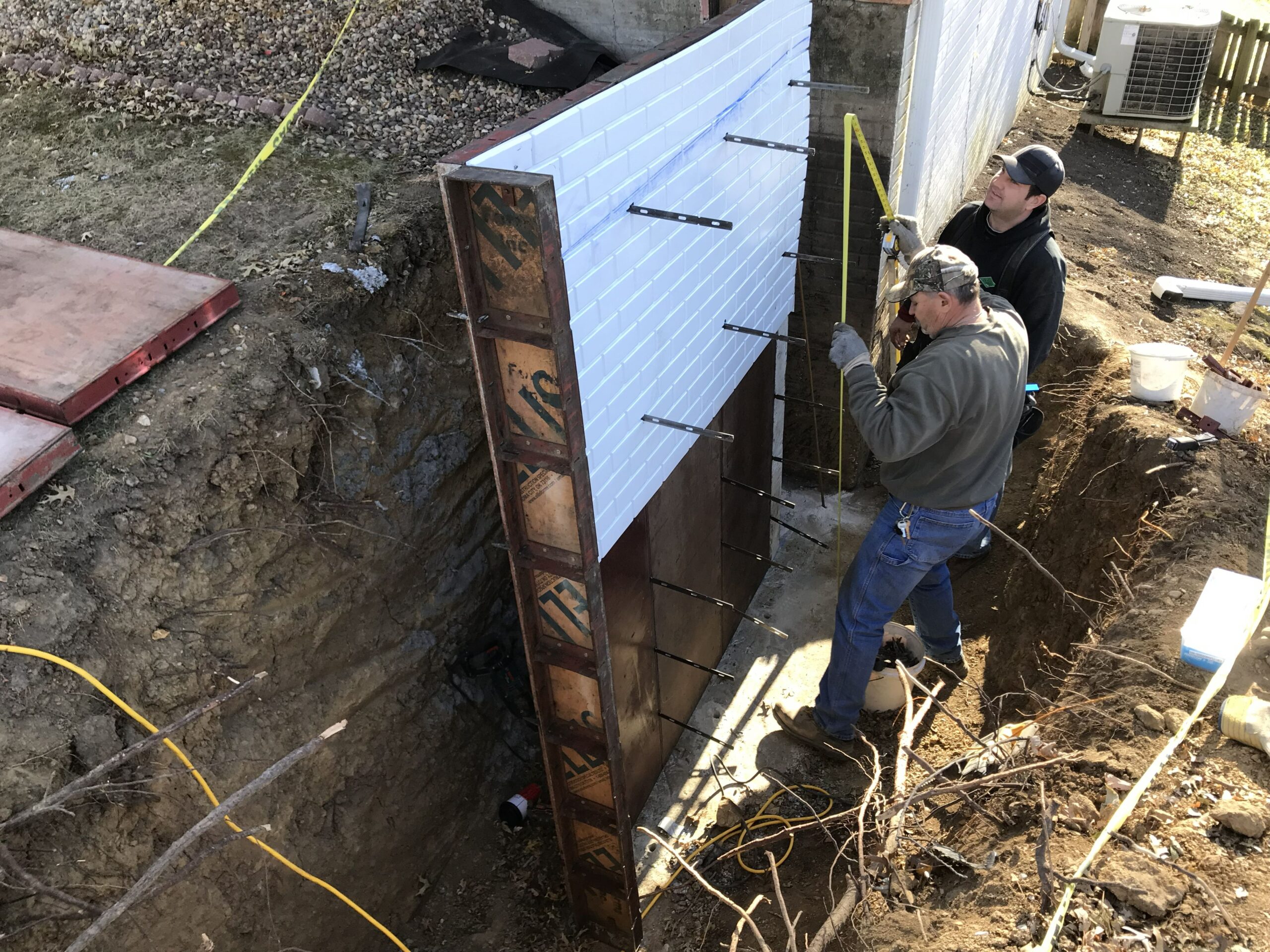
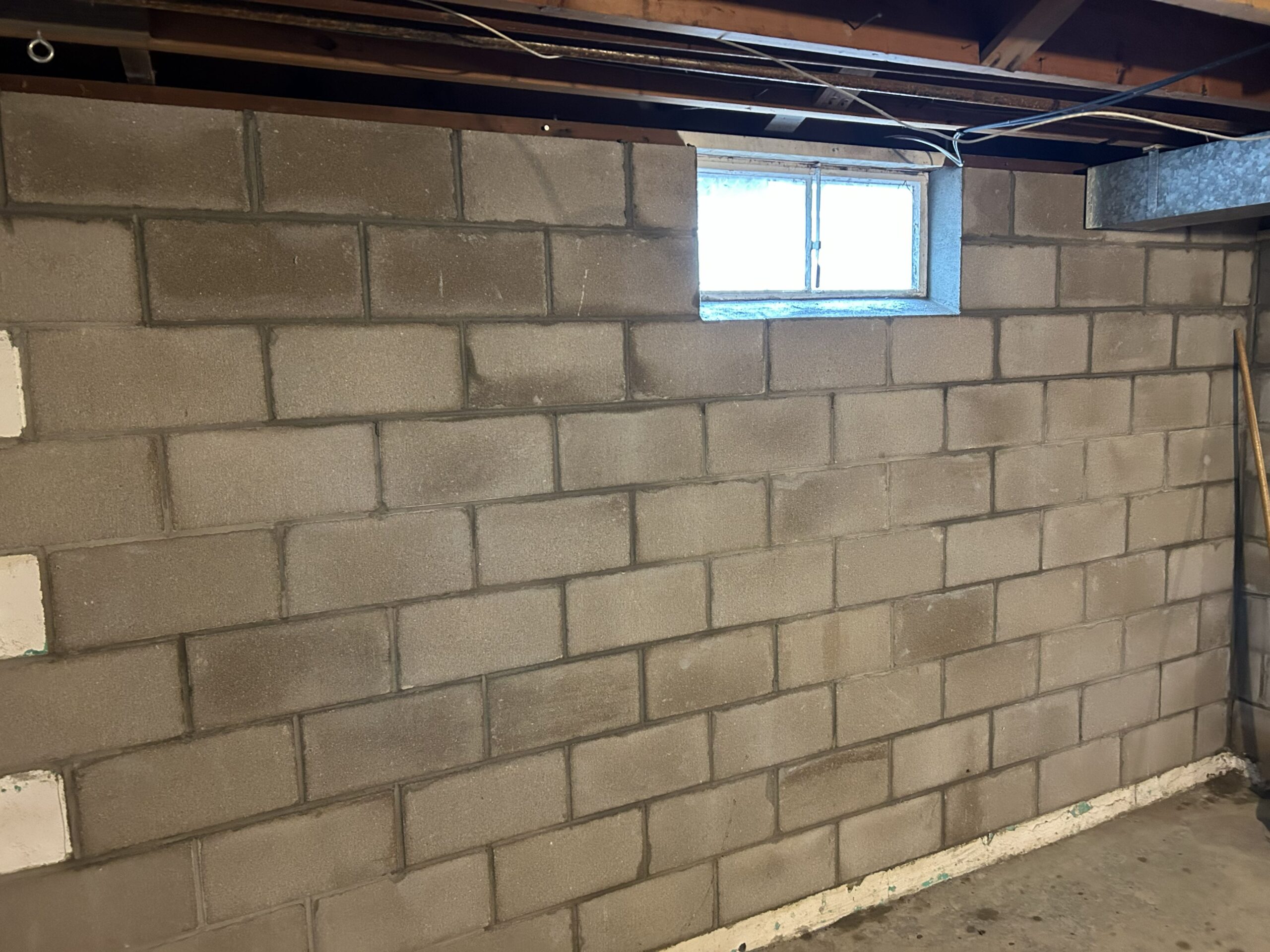
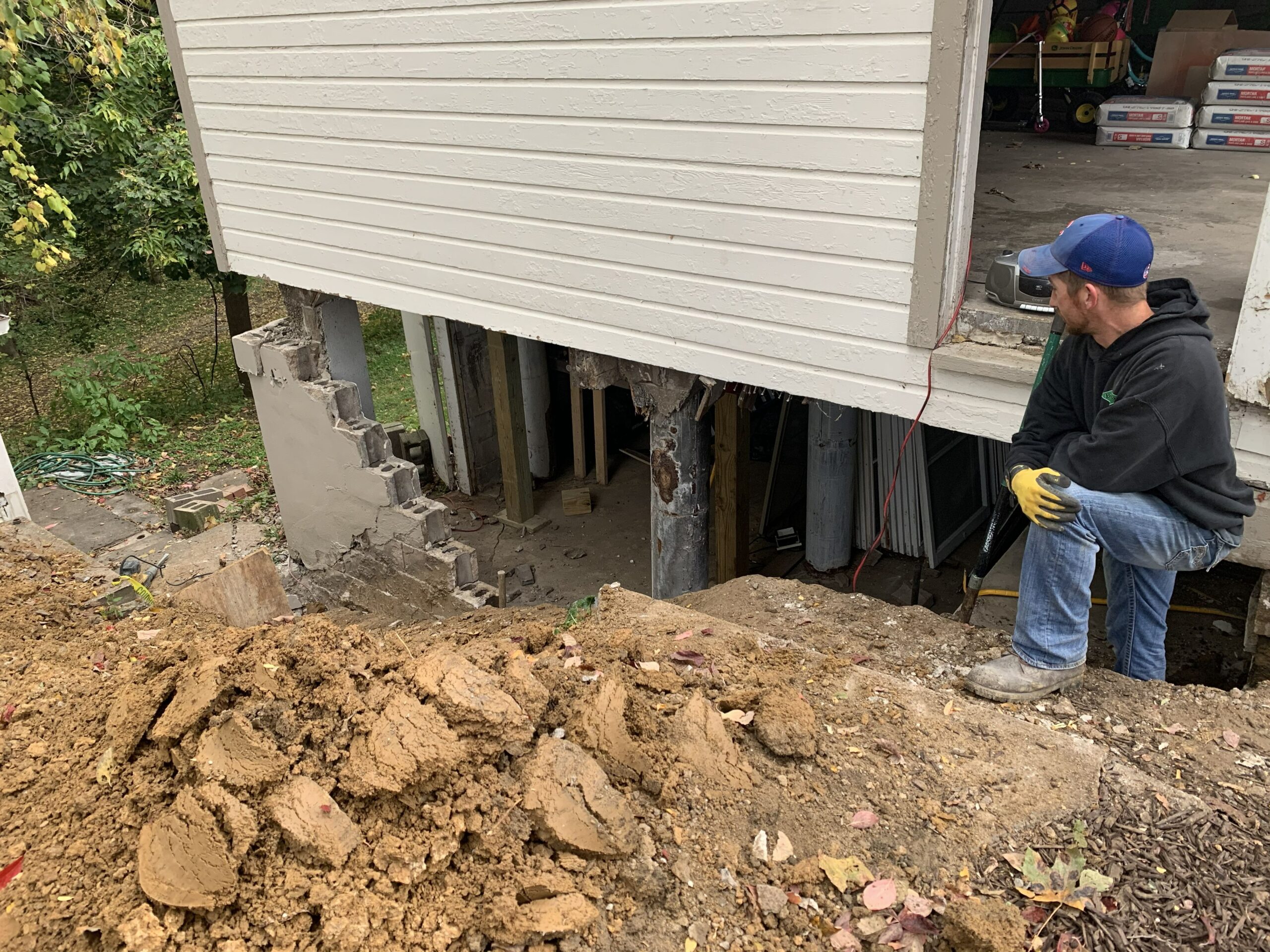
- Foundation Stabilization and Tuckpointing · Moline, Illinois
- Exterior Foundation Waterproofing, Drainage and Masonry Repair · Moline, Illinois
- Exterior Crack Repair and Lawn Drainage System
- Foundation Wall Bracing and Masonry Repair · Davenport, Iowa
- Targeted Foundation Crack and Waterproofing Repair · Davenport, Iowa
- Basement Waterproofing and Structural Repair · Davenport, Iowa
- Vehicle Impact Foundation Wall Rebuild · Rock Island, Illinois
- Basement Window Replacement and Exterior Foundation Crack Repair · Davenport, Iowa
- Exterior and Interior Foundation Crack Repair · Near Moline, Illinois
- Foundation Wall Bracing, Interior Waterproofing & Tuckpointing
- Exterior Foundation Crack Repair · Davenport, Iowa
- Foundation Wall Bracing & Tuckpointing · Taylor Ridge, Illinois
- Foundation Parge Coating & Masonry Repair · Davenport, Iowa
- Heavy-Duty I-Beam Wall Bracing · Bettendorf, Iowa
- Foundation Crack Repair & Exterior Waterproofing · Davenport & Eldridge, Iowa
- Foundation Wall Rebuild · Davenport, Iowa
- Foundation Crack Repair · Rock Island, Illinois
- Stone Foundation Restoration and Parging · Quad Cities
- Foundation Stabilization · North of Eldridge, Iowa
- Foundation Repair & Masonry Restoration · Bettendorf, Iowa
- Exterior Foundation Crack Repair · Bettendorf, Iowa
- Exterior Foundation Crack Repair · Quad Cities
Straight answers, no sales pressure
Foundation questions we hear the most
Yes, and the first thing we do is read the crack, because the pattern tells us what moved and whether it’s still moving. A hairline crack that isn’t growing is often something we’ll tell you to monitor or seal — not a structural job. A stair-step or widening crack usually means water and soil pressure are pushing on the wall, and that’s when we talk about steel I-beam bracing and sealing the wall back up. The evaluation is free, and we’ll recommend the smallest fix that actually solves it.
Yes. We’ll look at the foundation and the water management around it and give you a written report you can hand to a buyer, seller, agent, or lender. Because we’re the ones who would actually do any repair, the report tells you what’s really going on and what it would take to fix — not a scare list. If the foundation is sound, we’ll say so.
Usually, yes — an older block or stone wall rarely needs to be torn out. Where the mortar joints and face have deteriorated, we parge and repoint to rebuild and seal the surface; where a section has moved, we brace it first and then seal what the movement opened. Full wall rebuilds are reserved for the worst cases, and we’ll tell you honestly which yours is.
Yes — structural support is core to what we do. Bowing or shifting walls are stabilized with steel I-beam bracing (often with the floor broken and re-poured over the footing so the brace bears properly), and we also add support beams, replace failing posts, and repair the joists, beams, and sill plates that carry the house. Bowing is pressure, not age — so we relieve the pressure and pair the fix with drainage when water is what’s pushing on the wall.
Not sure what your home actually needs?
Tell us what's going on. We'll diagnose the real problem and put a written estimate in your hands — usually within one business day. No pressure, no commissioned salespeople.
Request your free estimate
Annual Basement & Foundation Checkup
Catch small problems before they become big repairs
Once your foundation is in good shape, our yearly checkup keeps it that way. A Behncke technician inspects your basement and foundation, documents current conditions, and flags small changes early — before they turn into costly repairs.
See the Annual CheckupStructural wall reinforcement: learn how our engineered steel I-beam foundation wall bracing works, why we mortar the beams to the wall, and why it carries our lifetime warranty.
Carbon fiber vs. structural steel: our homeowner guide to the problems with carbon-fiber straps for foundation walls.
Wall shear and displacement: when part of a basement wall has slid out of line with the rest, see what foundation wall shear looks like and why we treat it as structural movement, not just a crack.
Recent Work
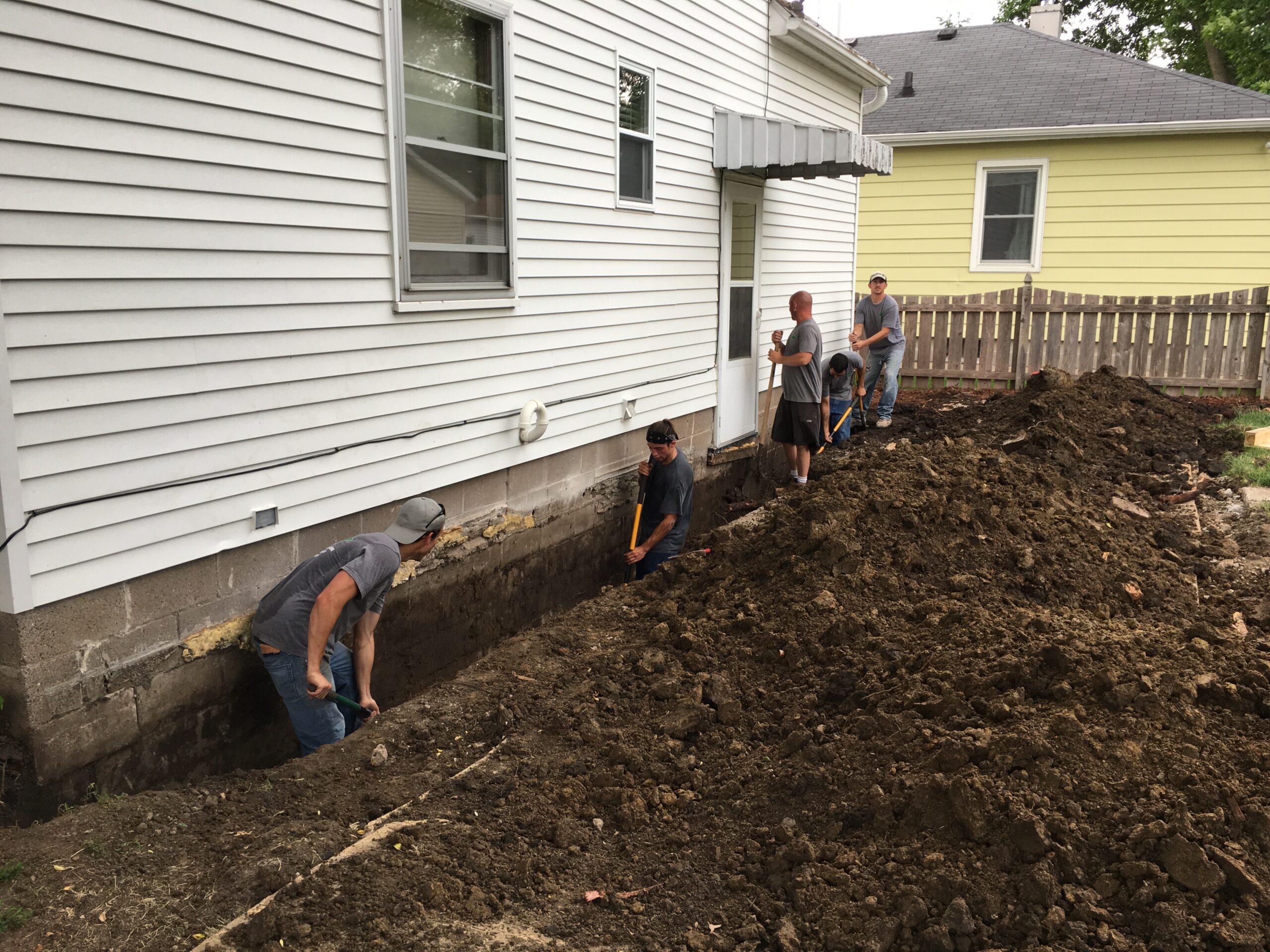
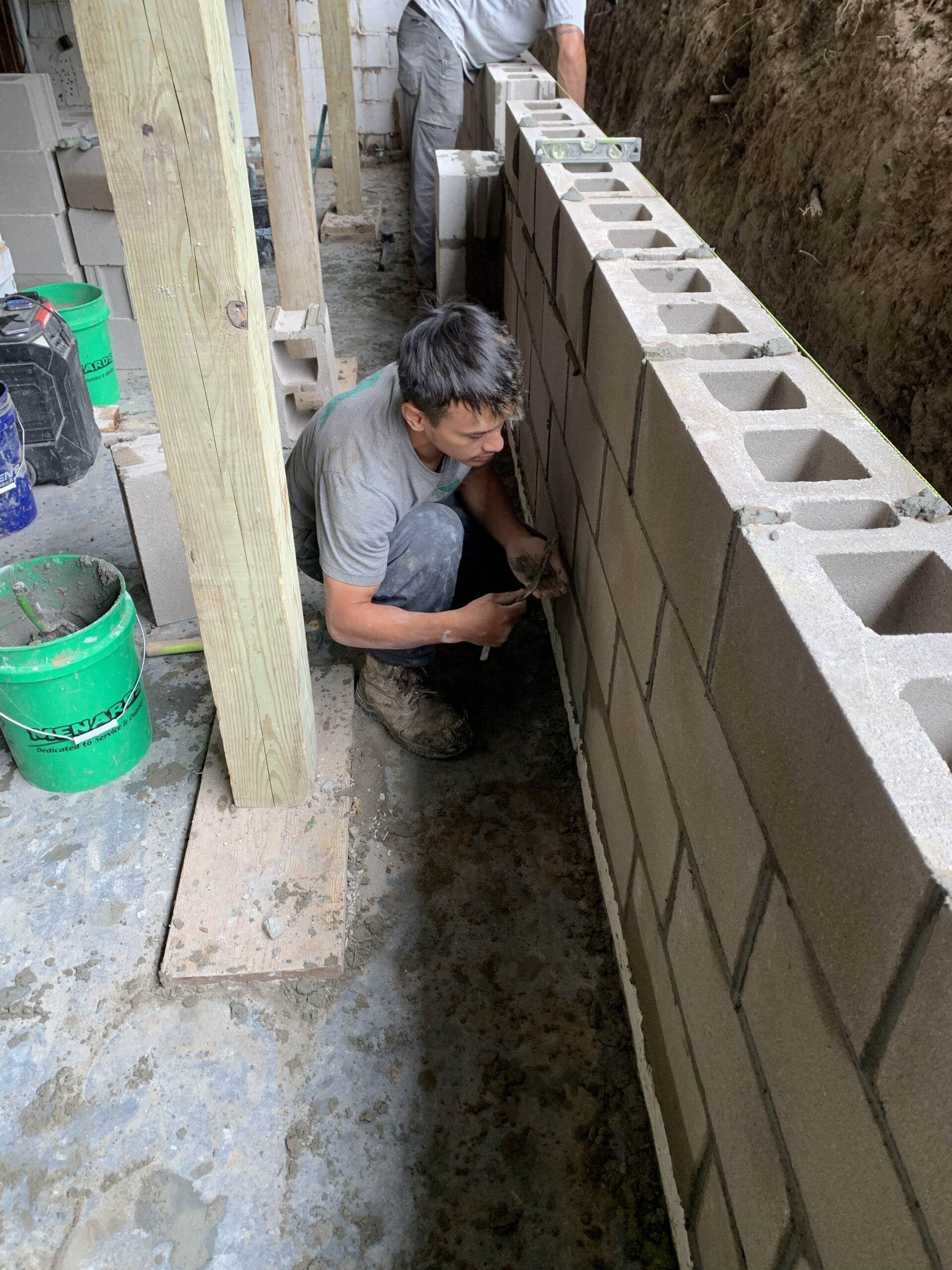
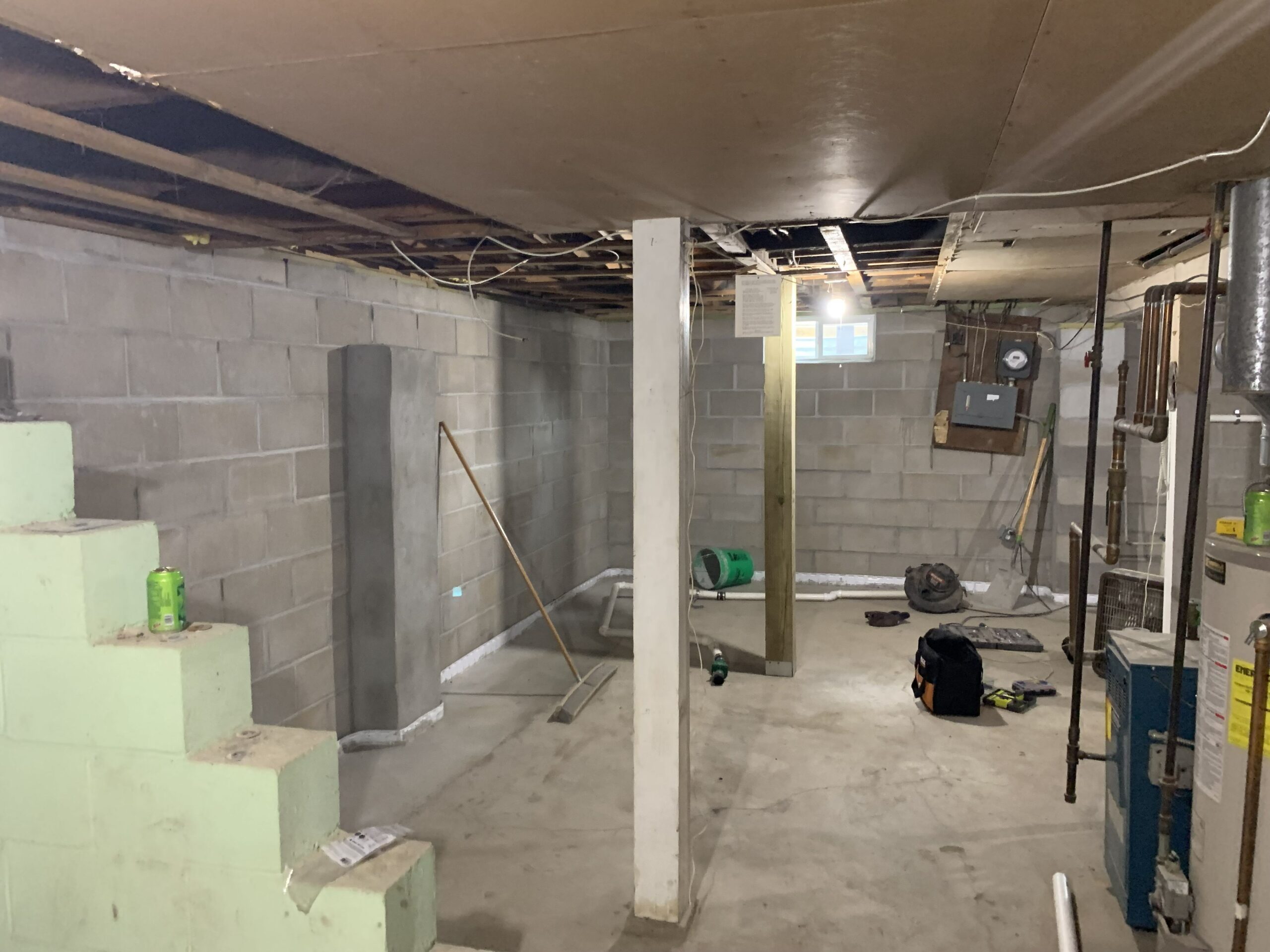
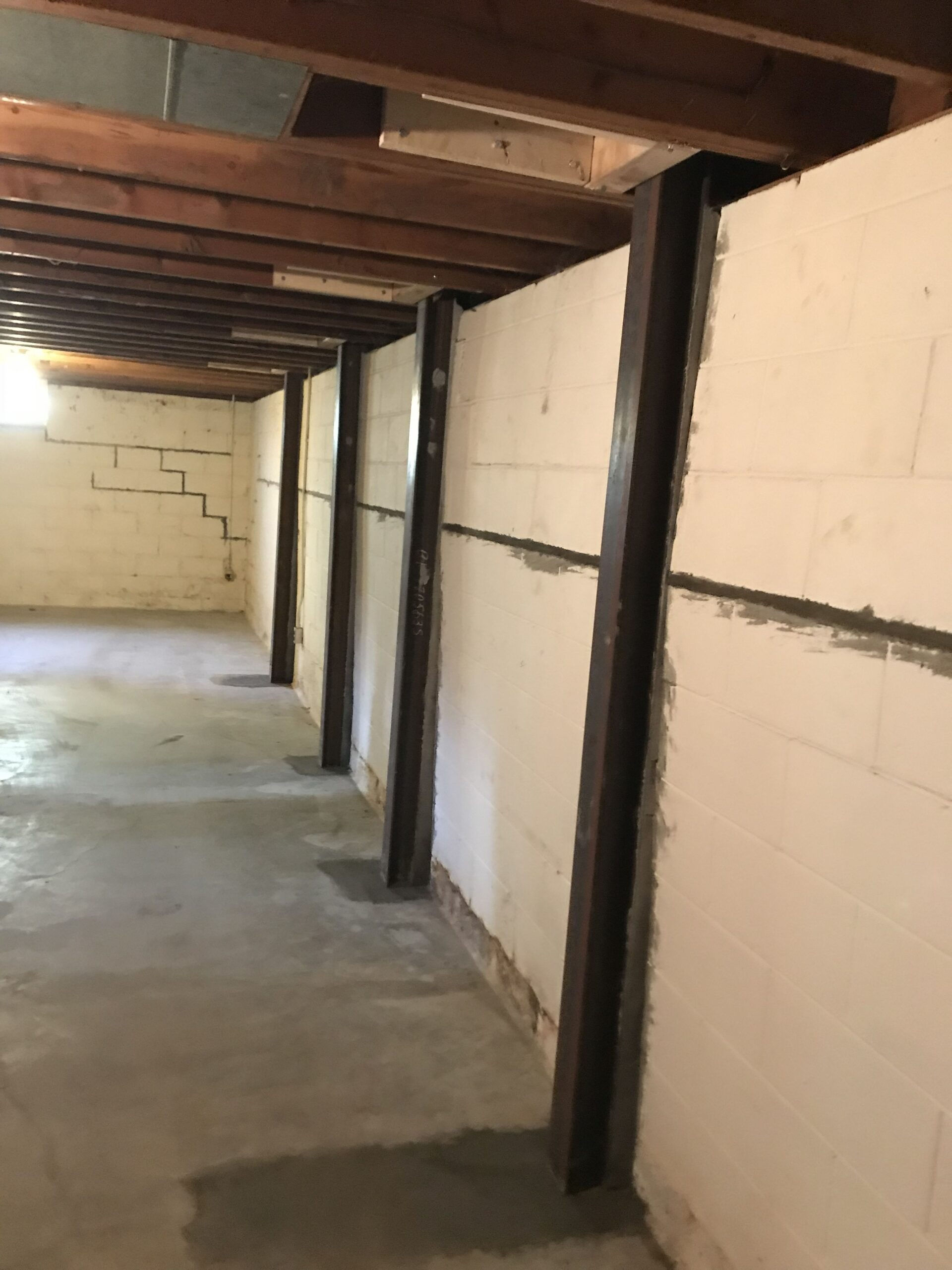
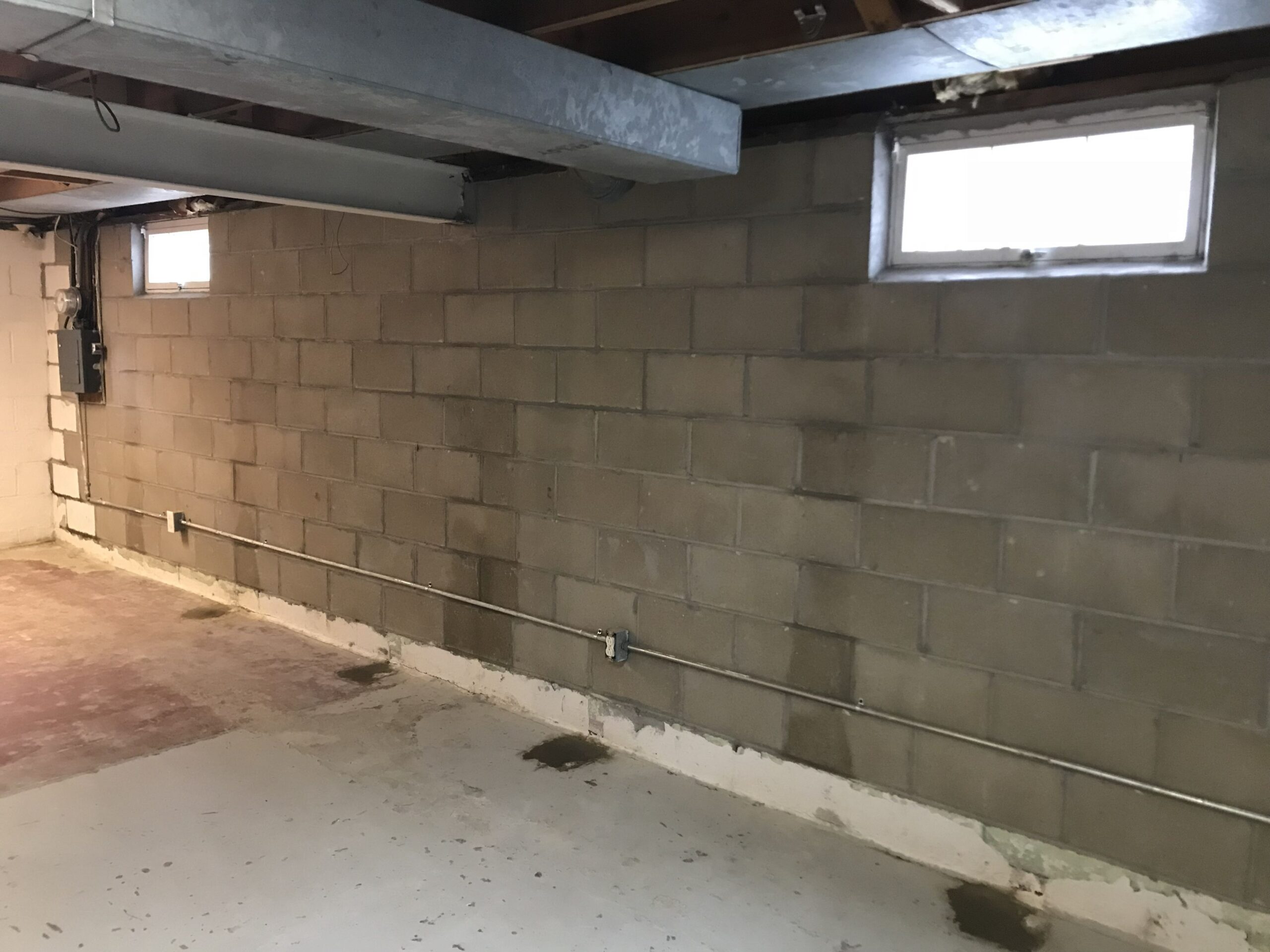
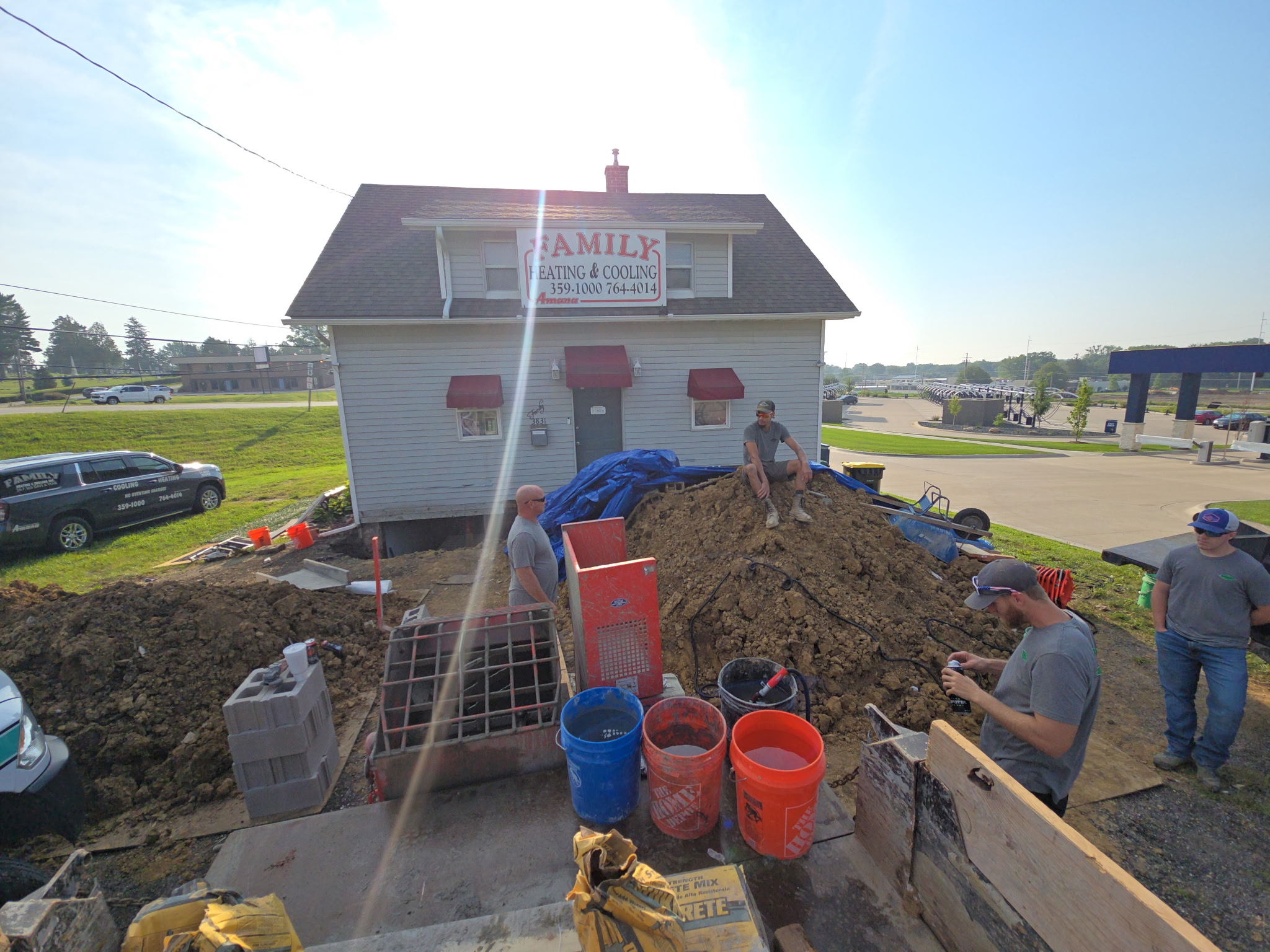
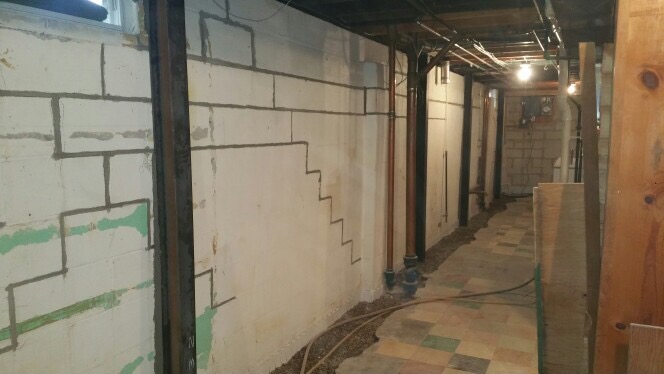
Recent Foundation Repair Projects
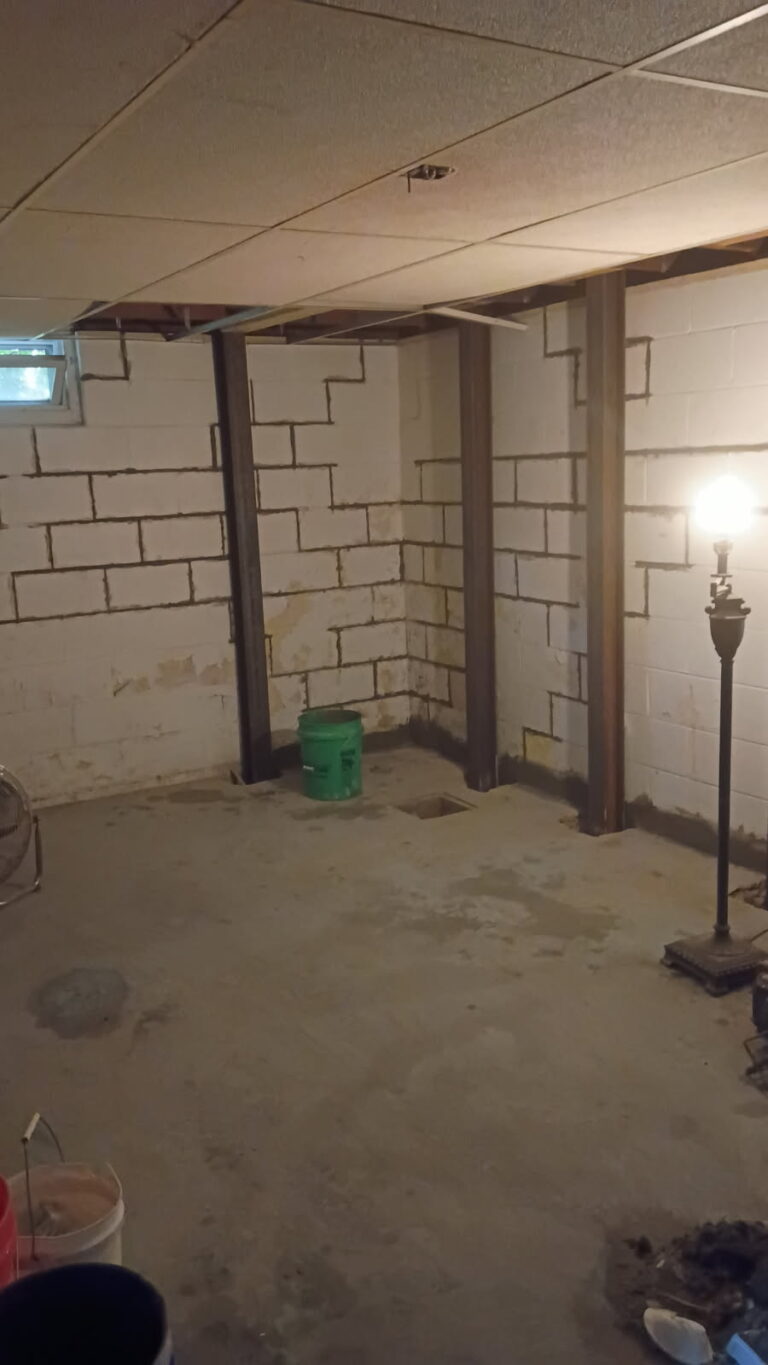 Foundation Stabilization and Tuckpointing — Moline, IllinoisMolineBehncke Construction stabilized three basement walls in Moline, Illinois with twelve heavy structural steel I-beams, each installed for continuous con…
 Exterior Foundation Waterproofing, Drainage and Masonry Repair — Moline, IllinoisMolinePoor exterior drainage was letting water reach a Moline foundation. Behncke Construction sealed the foundation from the exterior, repaired a damaged s…
 Exterior Crack Repair and Lawn Drainage SystemWater was getting in at the foundation, but this home did not need an interior drain tile system. Behncke Construction sealed the exterior foundation…
 Foundation Wall Bracing and Masonry Repair — Davenport, IowaDavenportBehncke Construction stabilized a failing foundation wall in Davenport with four steel I-beam braces set in continuous mortar, then tuckpointed and se…
 Targeted Foundation Crack and Waterproofing Repair — Davenport, IowaDavenportWater was coming into a Davenport basement through one specific foundation crack. Instead of replacing a drain tile system that still worked, Behncke…
 Basement Waterproofing and Structural Repair — Davenport, IowaDavenportA substantial Davenport project: roughly 100 linear feet of basement waterproofing with a new sump pit and drainage system, plus structural work inclu…